.jpg)
Highlights from AXA France’s “Data & AI Culture” roundtable
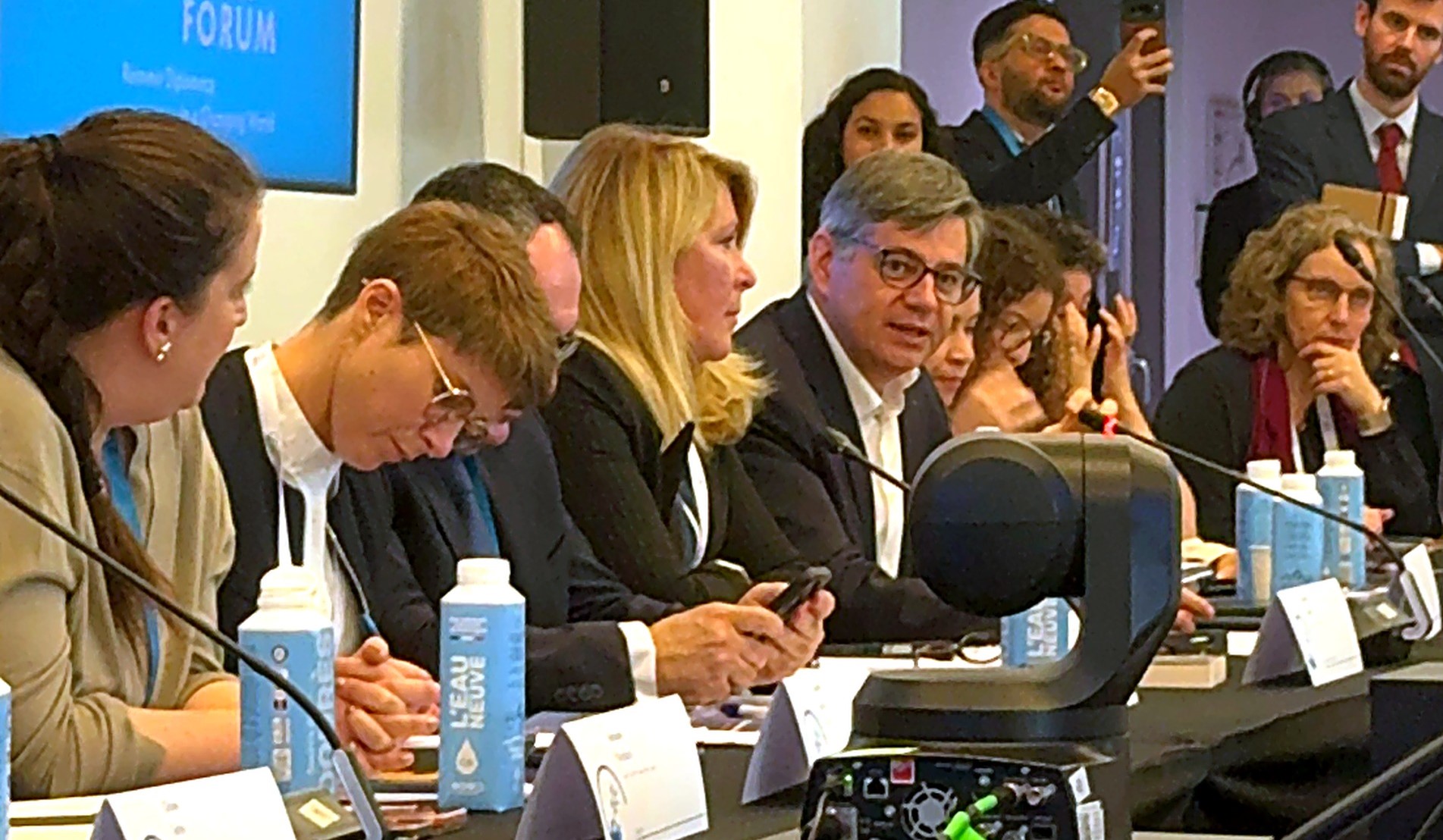
September 24th, XA France presented its Responsible Data & AI Charter, led by Estelle Guyon-Abinal and Chafika Chettaoui, at a “Data & AI Culture” roundtable featuring Éric Salobir (President, HTF), Nathalie Beslay (CEO, Naaia) and Nozha Boujemaa (Global VP IT Innovation & Trust, Decathlon). The discussion made one point very clear: trust cannot simply be declared. It is built over time, through concrete uses and solid governance.
Adopting AI starts with embedding trust in concrete, auditable uses
Beyond the framework set by the AI Act, speakers stressed the need for strong internal governance: committees, points of contact, audits and inventories across the entire product lifecycle, as well as clearly shared responsibility between business teams, tech teams and procurement. The result is greater traceability, higher system quality and increased transparency for both employees and customers.
“Boosting trust starts with reducing anxiety: making AI reliable, traceable and understandable,” summarised Éric Salobir. “With future multi-agent systems, we need clear rules so that the assistant truly serves each individual, not just the company.”
Another major lever is end-to-end AI literacy, combined with frugal technology choices. Even if environmental impacts do not formally fall within the scope of the AI Act, more resource-efficient roadmaps remain both possible and necessary.
The advanced use cases presented, such as auditable search engines and contextual assistants that operate without personal data, illustrate how innovation and trust can reinforce each other. This is a key issue at a time when 42% of employees still fear the impact of AI on jobs.
Key takeaways:


%20(1).jpg)